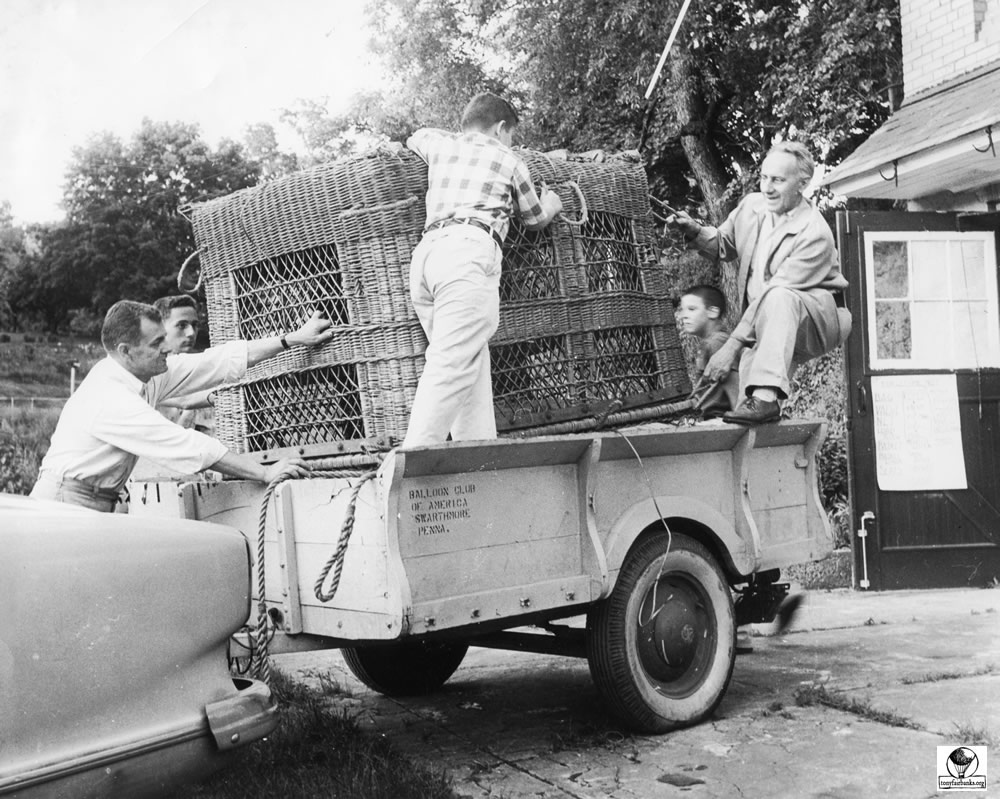
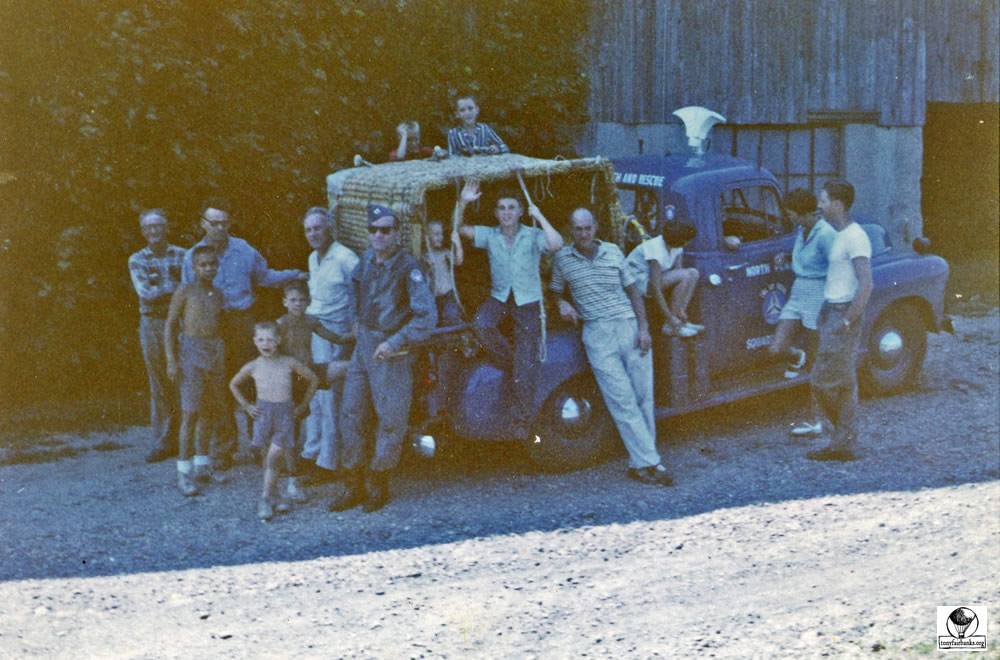
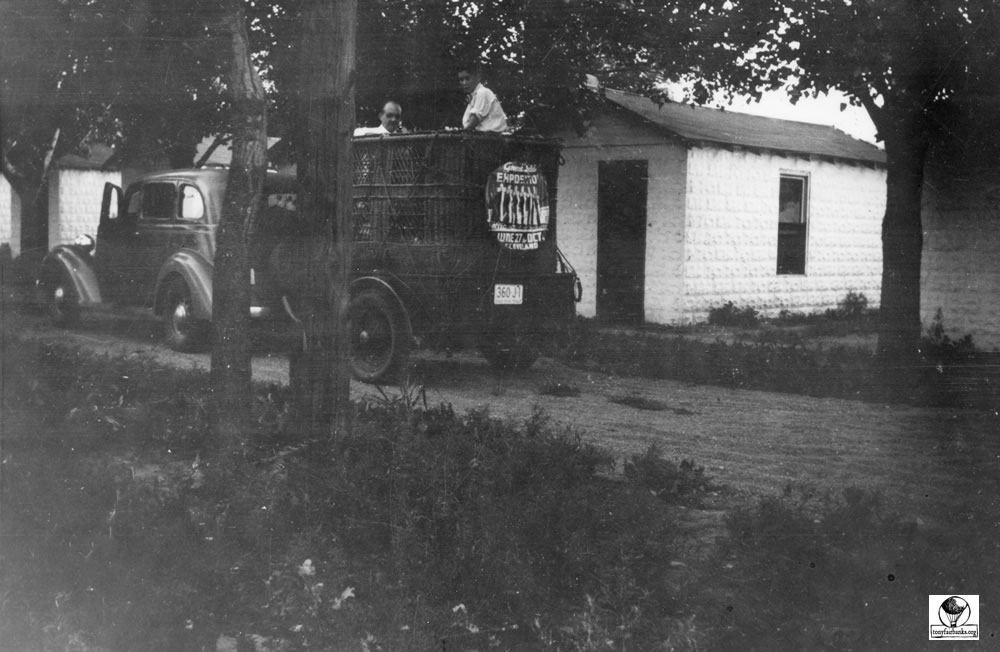
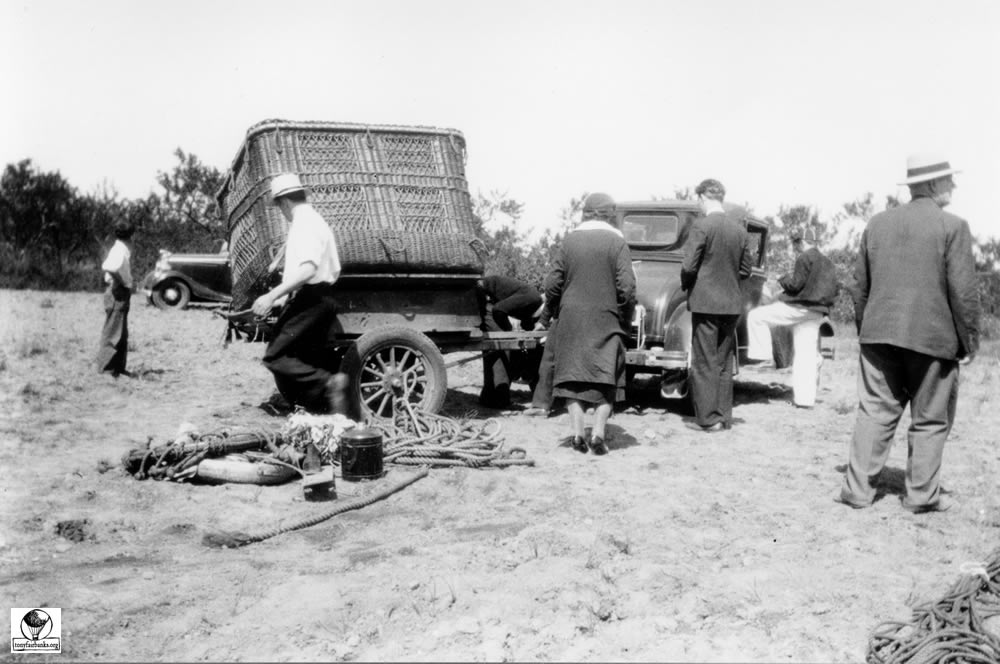
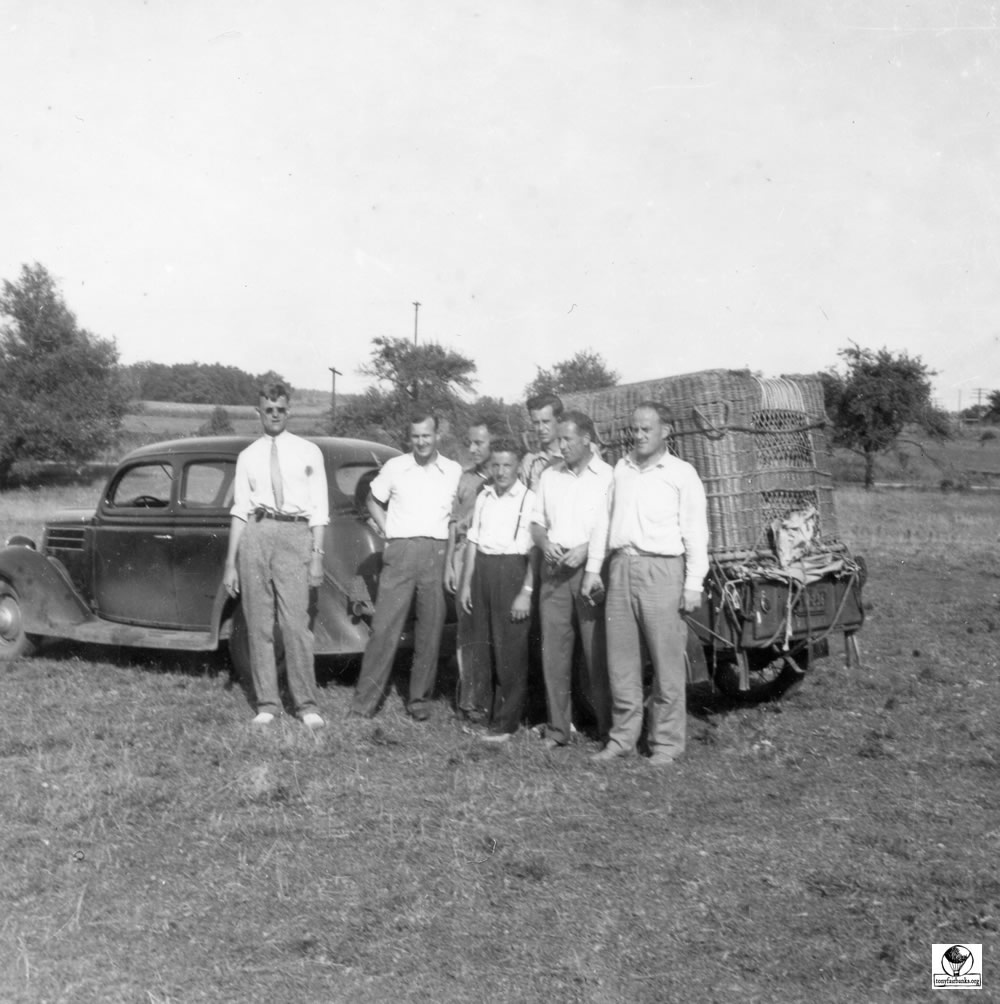
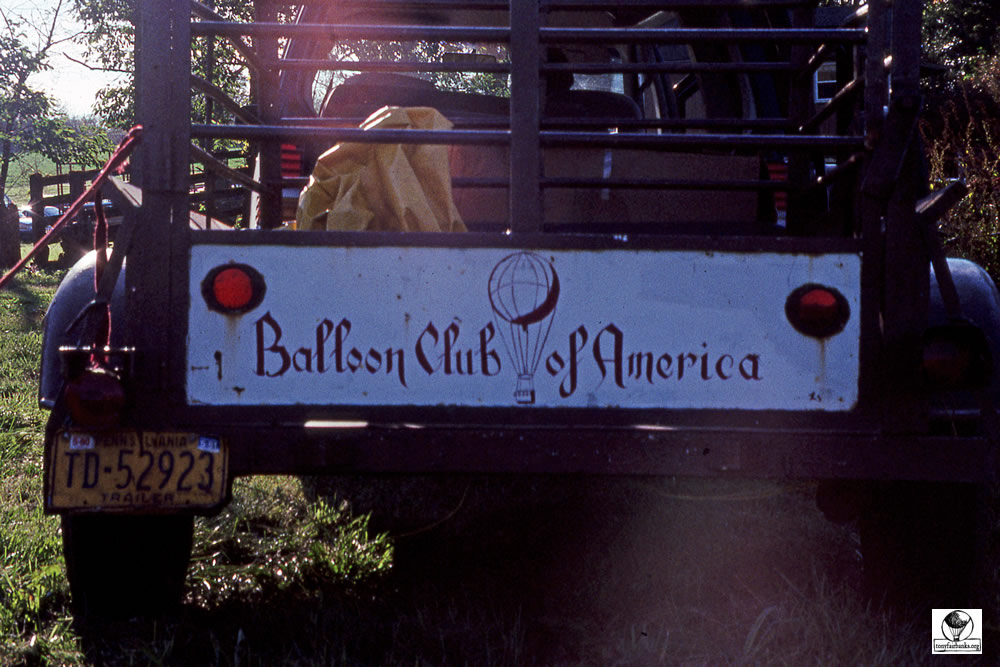
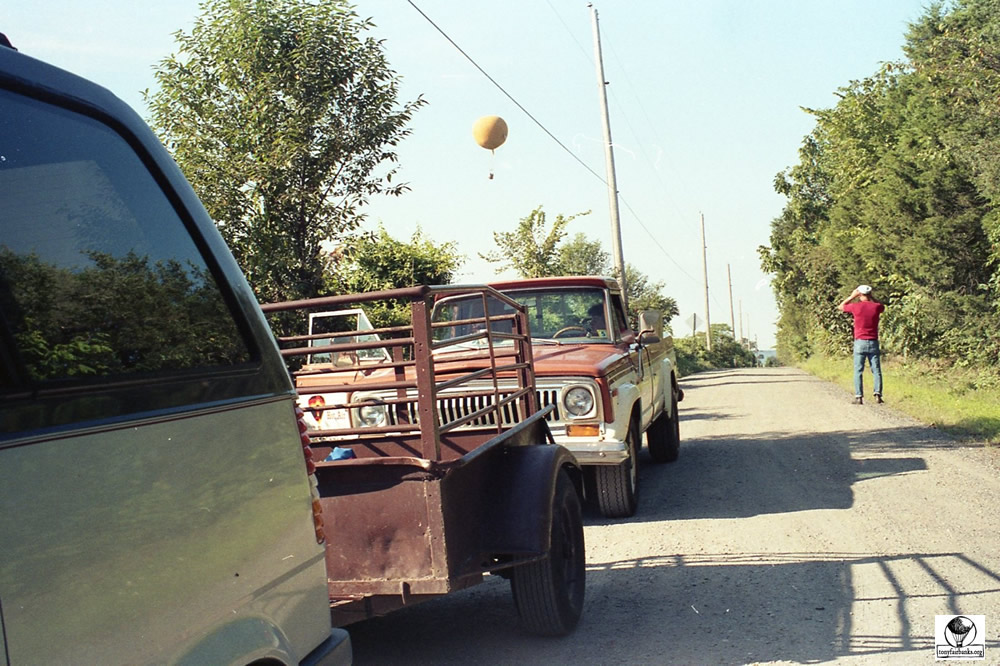
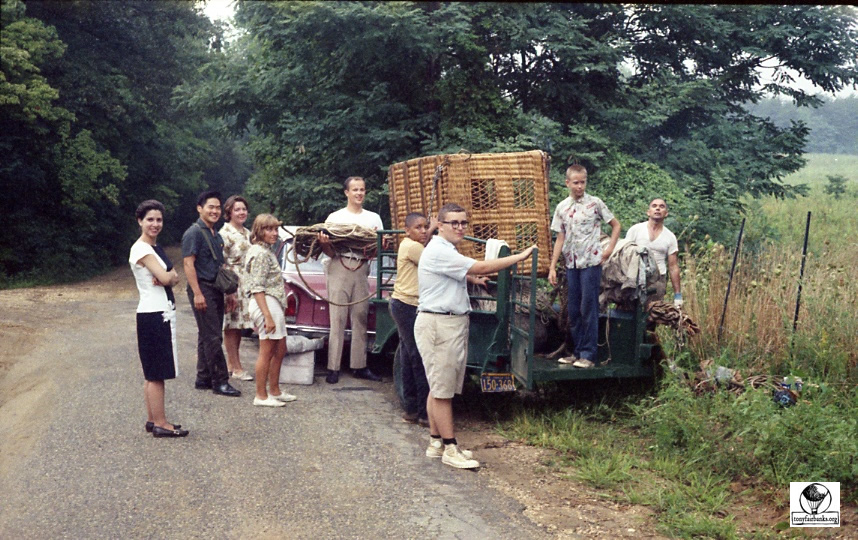
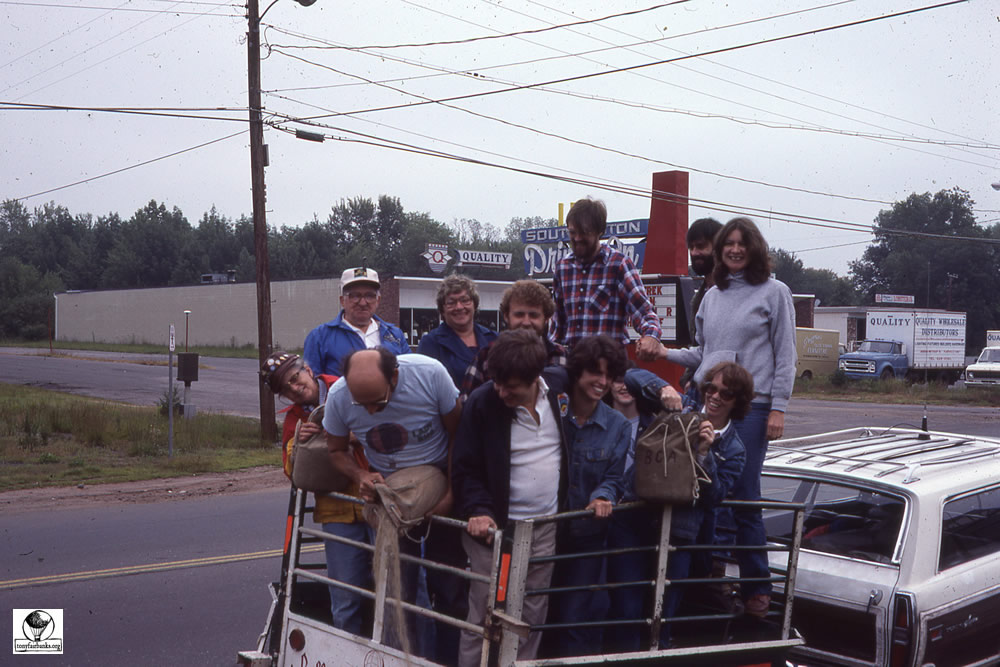
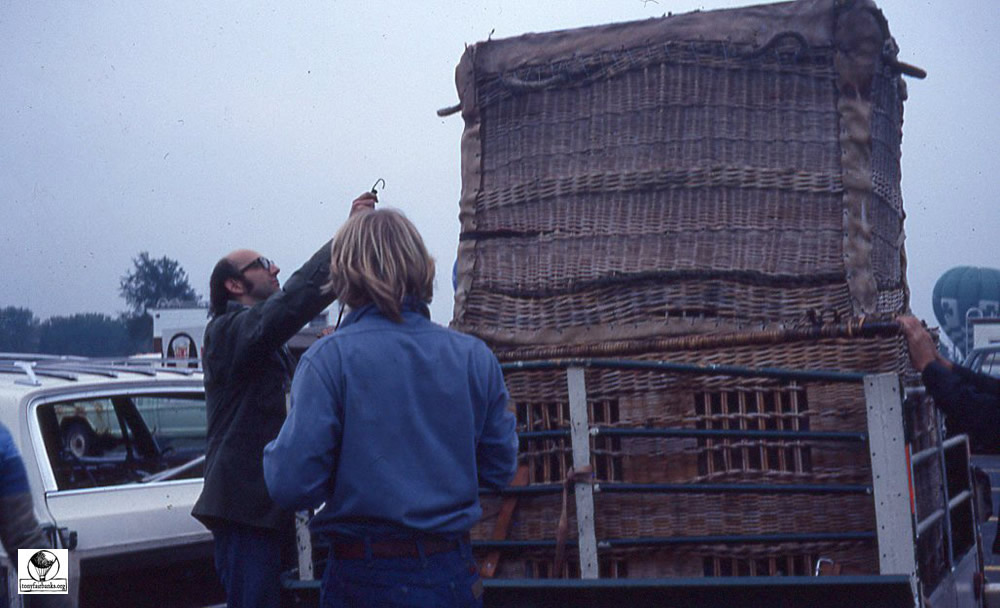
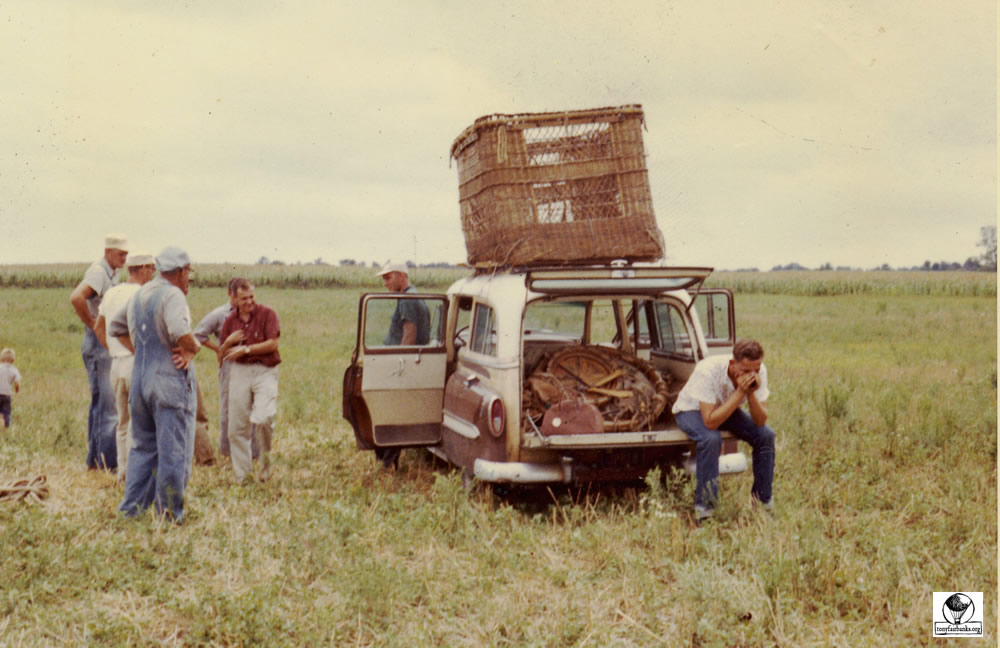
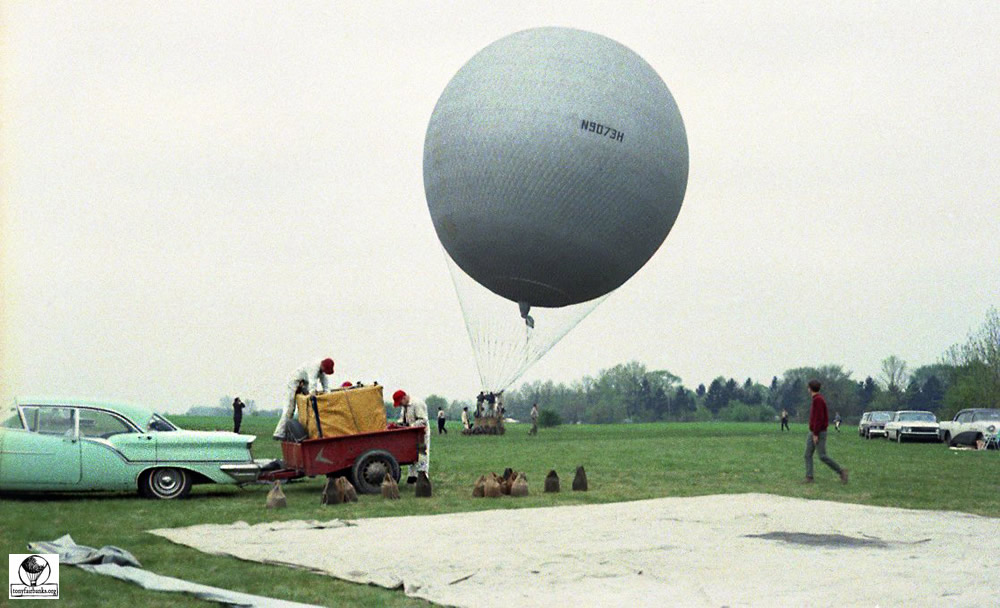
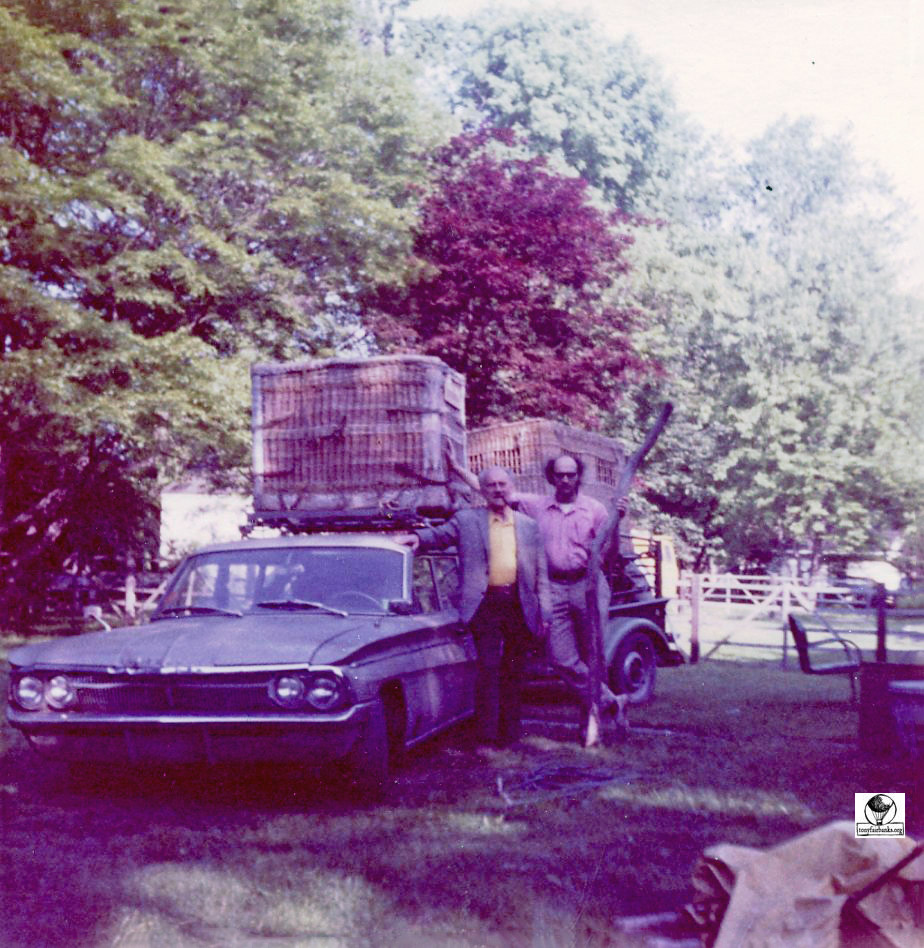
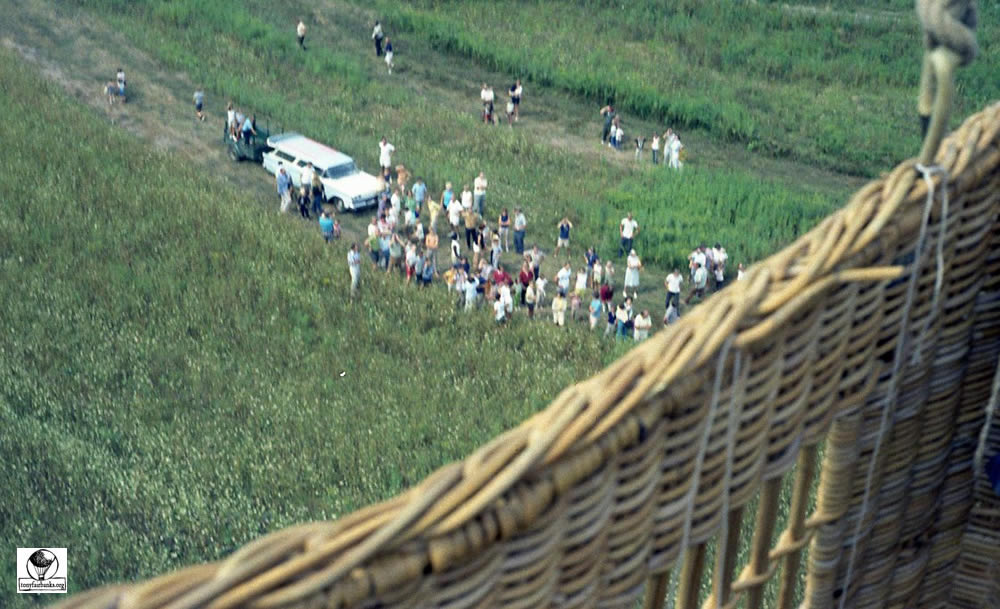
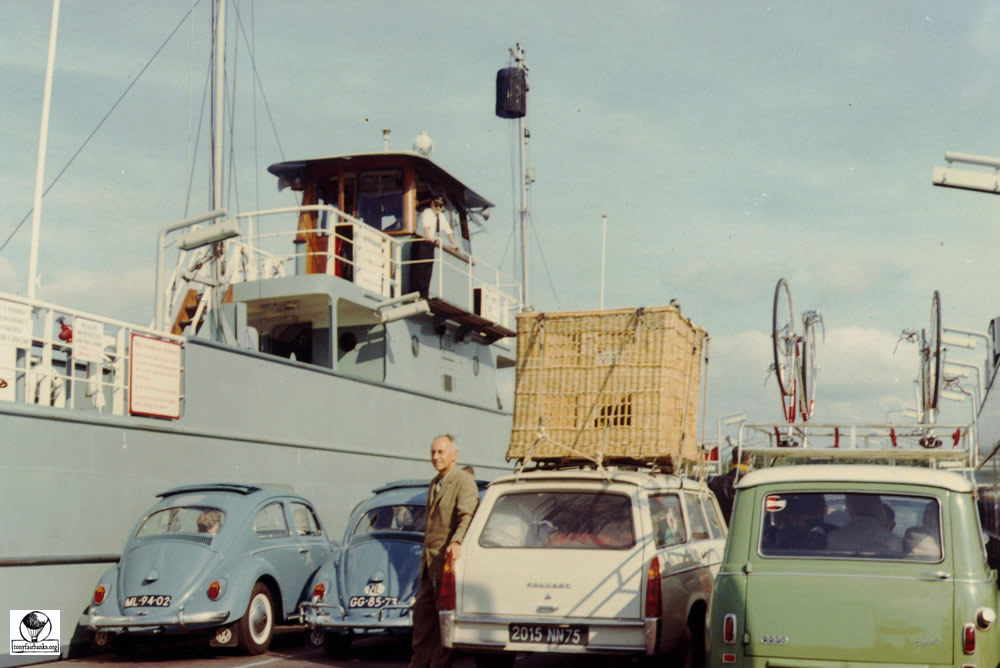
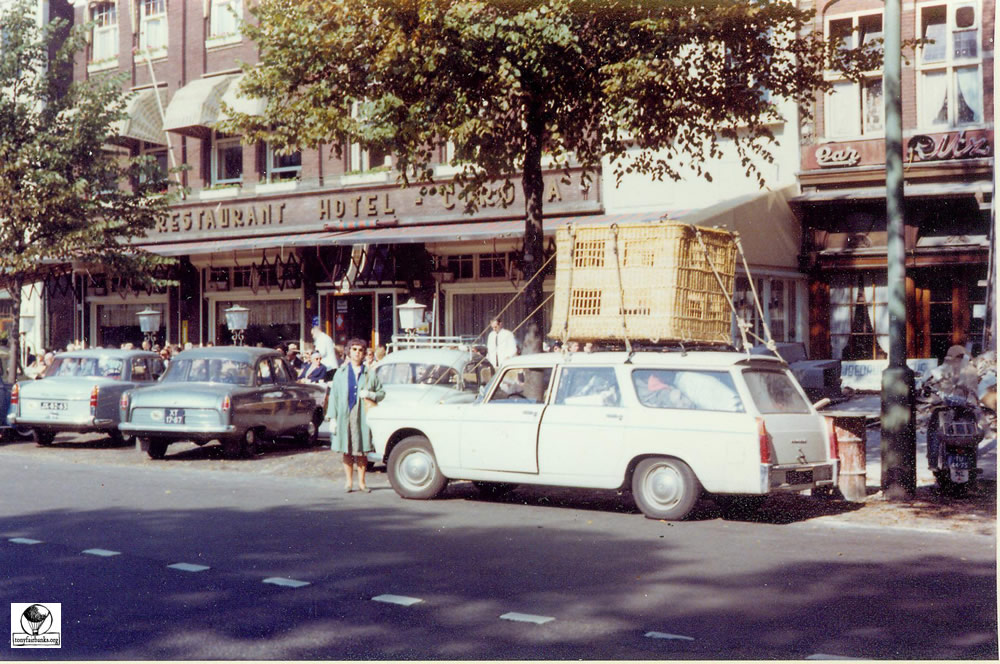
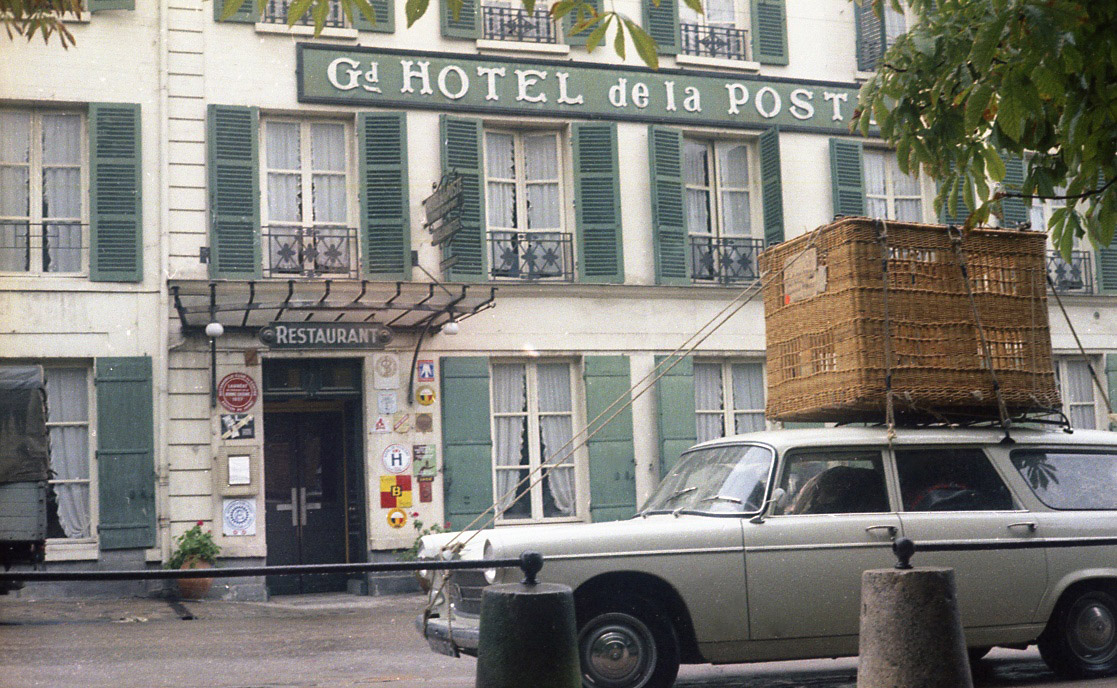
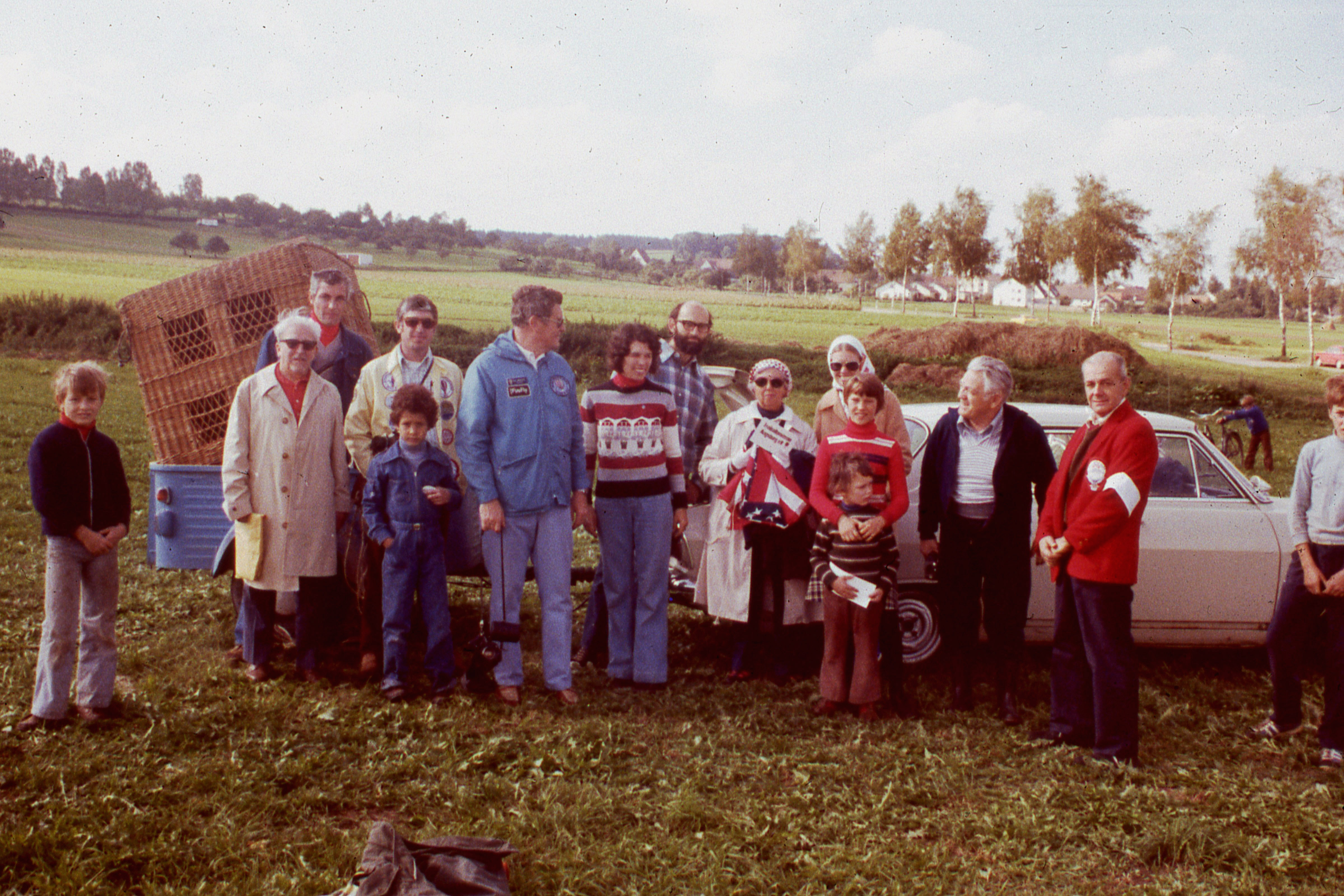
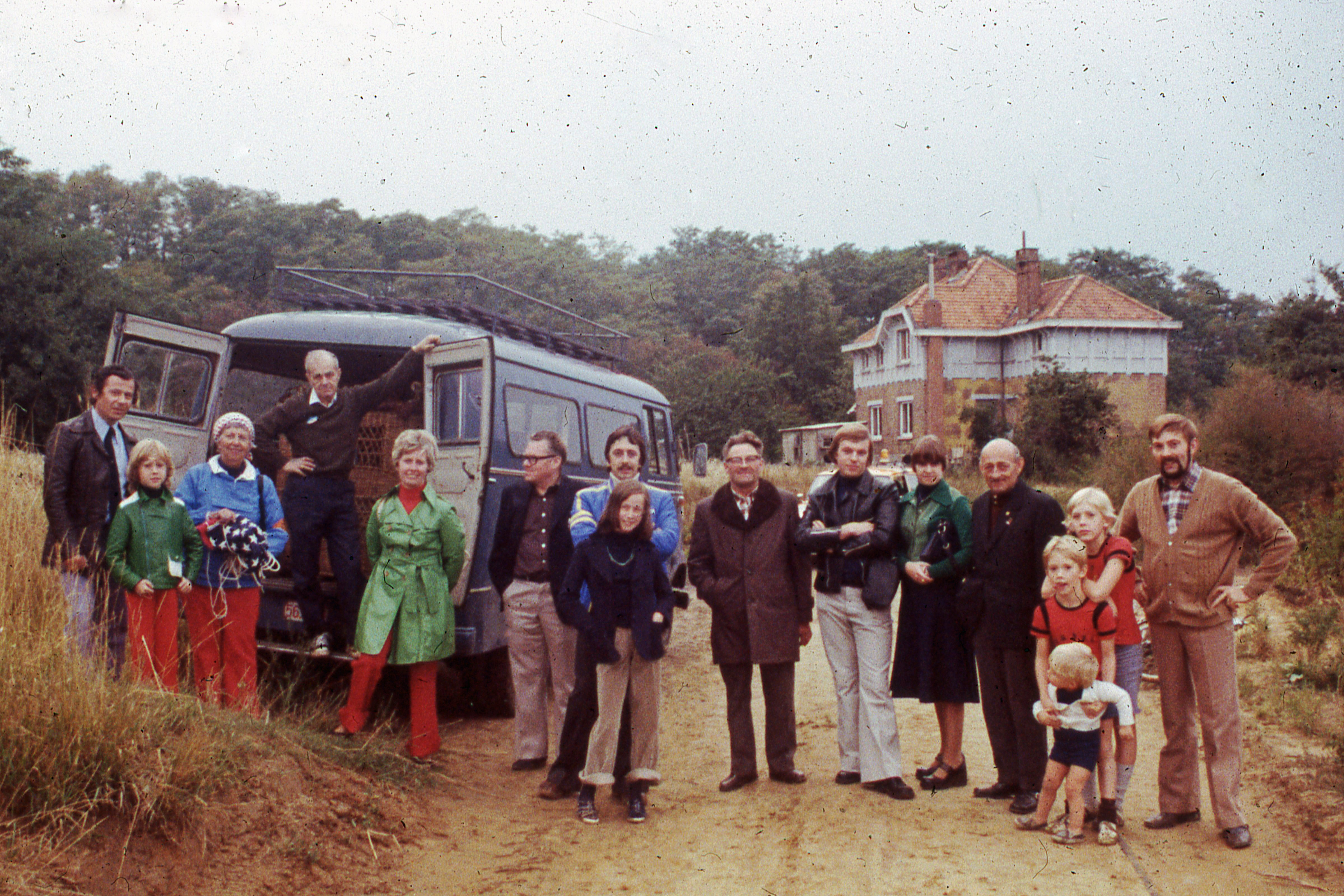
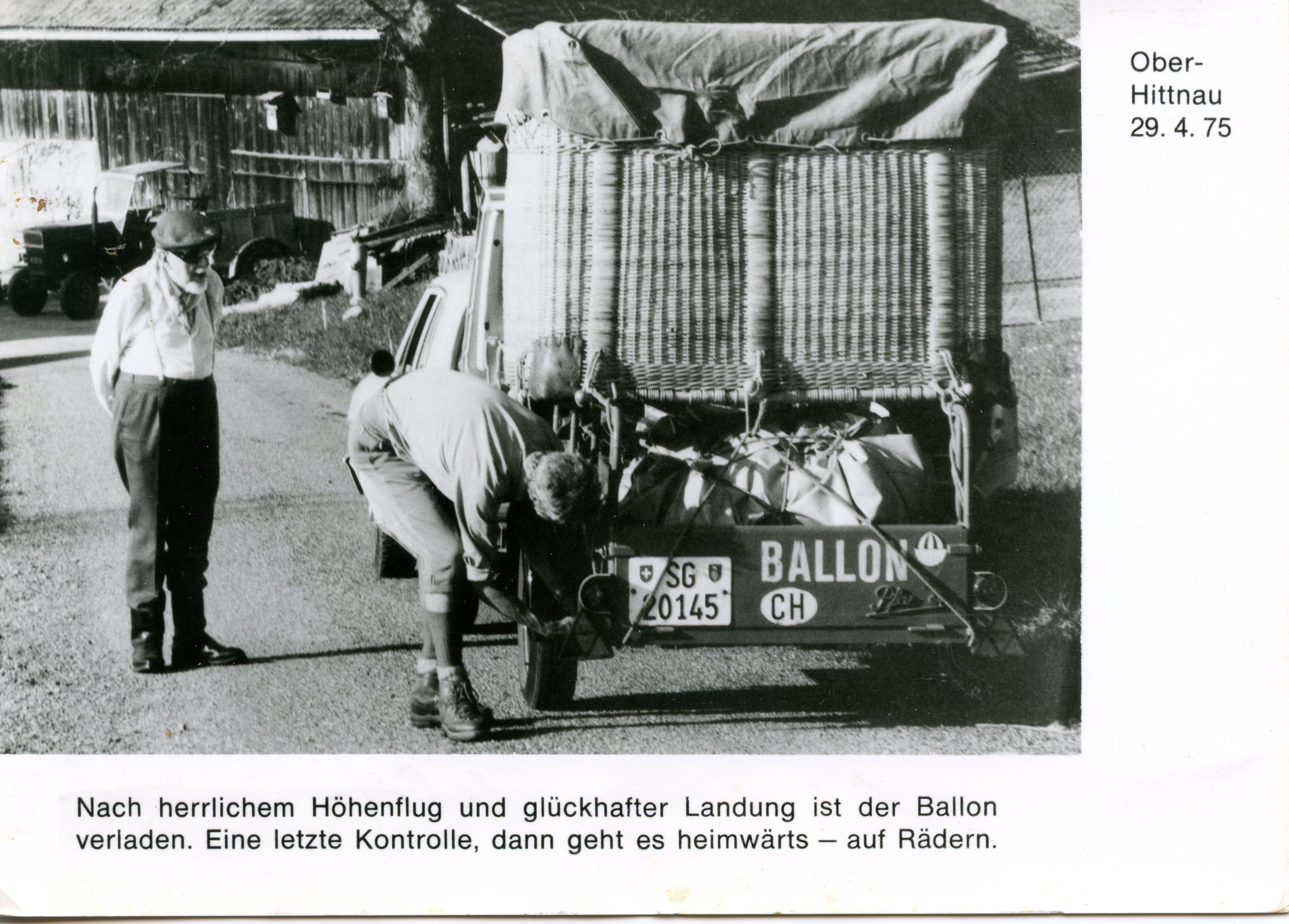
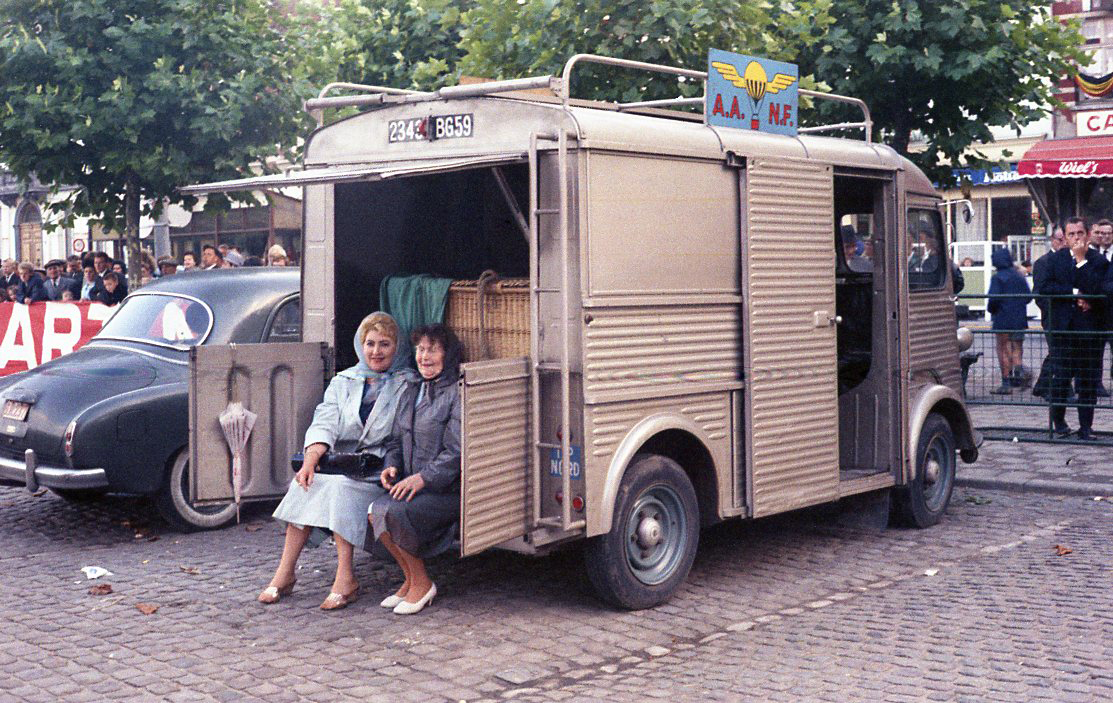
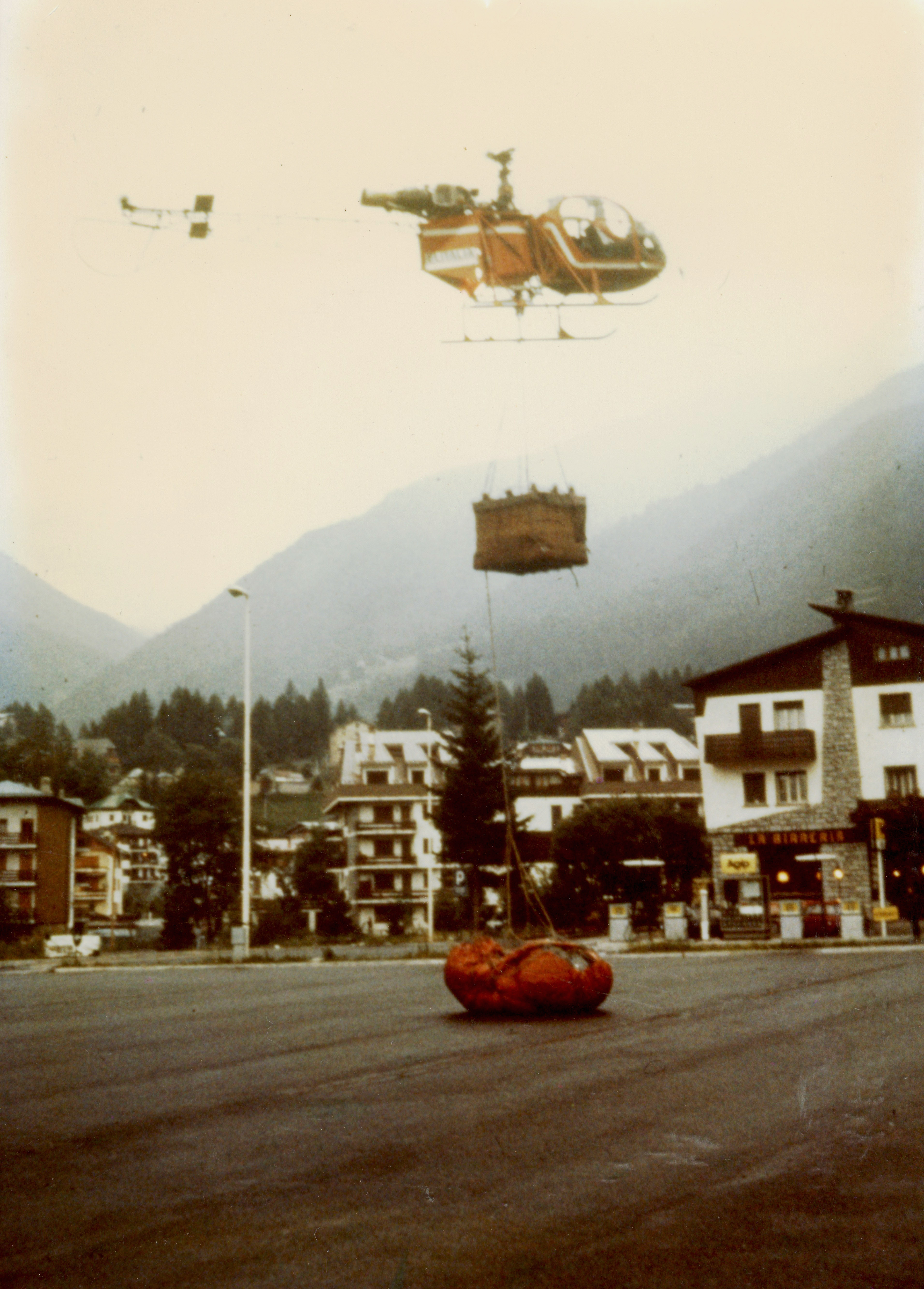
The photos below are samples of the type of chase vehicles used by the ground crew.
HOW WE DID THINGS IN THOSE DAYS
THE CHASE OF THE GAS BALLOON
The Balloon Club of America was incorporated as a sporting balloon club in the year 1952. The club had two rubberized cotton 80,000 cu.ft. balloons. The fuel used to lift these heavy balloons into the sky was flammable cooking gas. The balloons were military surplus, having been used to train blimp pilots during World War II. They were silver in color which added to the difficulty of the chase.
For the single club flight in 1952 and for three flights in 1953 the launch site was a field in Brookhaven, Pennsylvania. Not an ideal location as the prevailing winds often pushed the balloons across the Delaware River into New Jersey which added to the difficulty for the chase vehicle. From 1954 through the final club flight of these large balloons in 1973 the launch site was Valley Forge Airport (Now a golf course) and later Wings Field Airport in Blue Bell, Pennsylvania.
The wicker basket would carry the pilot and four passengers. The duration of the flight on any given day would be from five to seven hours. If the winds were relatively calm, the balloon would attempt a soft landing with a change of pilot and passengers for a second or third flight of the day.
When the speed of the wind was moderate or somewhat fast, the chase vehicle would often be twenty to thirty miles behind the balloon. The chase crew would drive in the direction of the flight as observed at launch. A compass held by the ground crew at the launch of the balloon would indicate the direction of flight. The usual practice at lift off was to climb to 3500 feet before achieving level flight by releasing a small amount of gas from the top of the envelope.
The inflation and rigging of the gas balloon would take four hours. The sound of the gas flowing through the inflation sleeve was a steady blast which made talking close by the balloon difficult. The pilot would call out “Down One Diamond” as the sandbags would be lowered and the balloon fabric would slowly fill to become a large, round sphere.
The crew would spend these brief few hours before the launch drawing lines in thick black ink on Pennsylvania and New Jersey road maps and throwing grass into the air to guess on the direction of travel. When the balloon would cross the Delaware River or local rivers and streams, there was the added difficulty of a detour from the direction of the chase to find a suitable bridge to cross over the water.
In those days the method of recovery of the balloon, the pilot and the passengers was “a call-in number.” It seems so antiquated and impractical and very strange by the technology of today but in those days in was our practice and seemed like the best option.
The spouse of Anthony “Tony” Fairbanks would be assigned the task of remaining in her home for the duration of the flight. When the chase crew would be declared as lost by the pilot-in-command, a telephone call would be made to Mary Louise Fairbanks with details for the retrieval of the deflated balloon. For this purpose a request would be made to the owner of the property upon which the balloon landed for the use of their telephone. If the balloon landed in the pine barrens of New Jersey or other fields or open spaces without houses, a spectator or interested person driving by the landing of the balloon would be asked to drive a crew to their home to use their telephone.
The chase crew becoming impatient or perhaps concerned about the safe landing of the balloon might have called Mary Louise three or four times before the location of the landing was identified. On that rare windy day or a long flight into New Jersey, it could be four hours before the arrival of the chase vehicle.
A gas balloon flight is truly an adventure. A launch with the brightness of the early morning sun. To fly quietly above the earth. Lifting higher into the air above by the dropping of a few handfuls of sand. Absolute silence with the occasional sound from below of a barking dog. The stillness of flying the exact speed of the wind.
The anticipation of a soft landing with the expected excitement of the landowners and spectators as they observe the landing and rush forward. The chase and recovery is part of the experience and adds to the adventure. A time of long ago. A memory to be treasured by the passengers who flew in the balloon and the men and women who are assigned to chase the balloon.
Written by Mike Fairbanks